
Water is one of those things we use all day without giving it much thought. We turn on the tap to fill a glass, cook dinner, wash vegetables, or take a shower. Most of the time, we expect it to be clean and safe. But when water starts leaving white marks on faucets, develops an unusual smell, or tastes different from what we remember, it becomes difficult to ignore.
The truth is that water quality varies from one home to another. Local water sources, aging pipes, naturally occurring minerals, and household plumbing can all influence what comes out of the tap. Understanding these differences is the first step toward choosing a solution that actually works, rather than spending money on equipment that may not address the real problem.
What Does Good Water Quality Really Mean?
Clear water is not necessarily perfect water. Some dissolved minerals and contaminants cannot be seen with the naked eye, while certain harmless minerals may affect taste, odor, or the appearance of household fixtures. That is why judging water quality by its appearance alone can be misleading.
For homeowners, the first priority should always be understanding what is in the water. A laboratory test or an appropriate professional water assessment can identify issues such as hardness, iron, and other substances that may need attention. If the property uses a private well, regular testing becomes especially important because water conditions can change over time.
Municipal water supplies are generally treated and monitored, but water can still pick up particles or metals as it travels through plumbing. A home built decades ago may have different concerns from a recently constructed property. There is no single solution that fits every household, and that is actually good news. The right treatment can be selected based on the problem instead of guesswork.
Why Taste and Odor Matter
Few things are more disappointing than pouring a glass of water and noticing a strange aftertaste. Some people describe their tap water as metallic, earthy, or slightly chemical. Others notice an odor that becomes more obvious when the water sits in a glass.
These changes may have several causes, including naturally occurring minerals, disinfectants, plumbing materials, or organic substances. The smell alone does not reveal whether water is safe, so persistent changes deserve proper investigation rather than a quick assumption.
Many households look for fresh-tasting water because they want drinking water that feels pleasant and encourages everyone to stay hydrated. Depending on the test results, treatment options may include activated carbon filtration, sediment filtration, or reverse osmosis for particular drinking-water concerns. Each method works differently, so the best choice depends on the substances present and the purpose of the system.
Taste is important, but safety comes first. If water suddenly develops an unusual odor, color, or taste, particularly after plumbing work or a local water advisory, check with the relevant water provider or a qualified professional before continuing to drink it.
Choosing a Filtration System for the Whole House
Some water problems affect only the kitchen tap, while others follow you throughout the property. If sediment appears in several bathrooms, mineral deposits build up on multiple fixtures, or water quality concerns extend to laundry and showers, it may be worth considering treatment at the point where water enters the home.
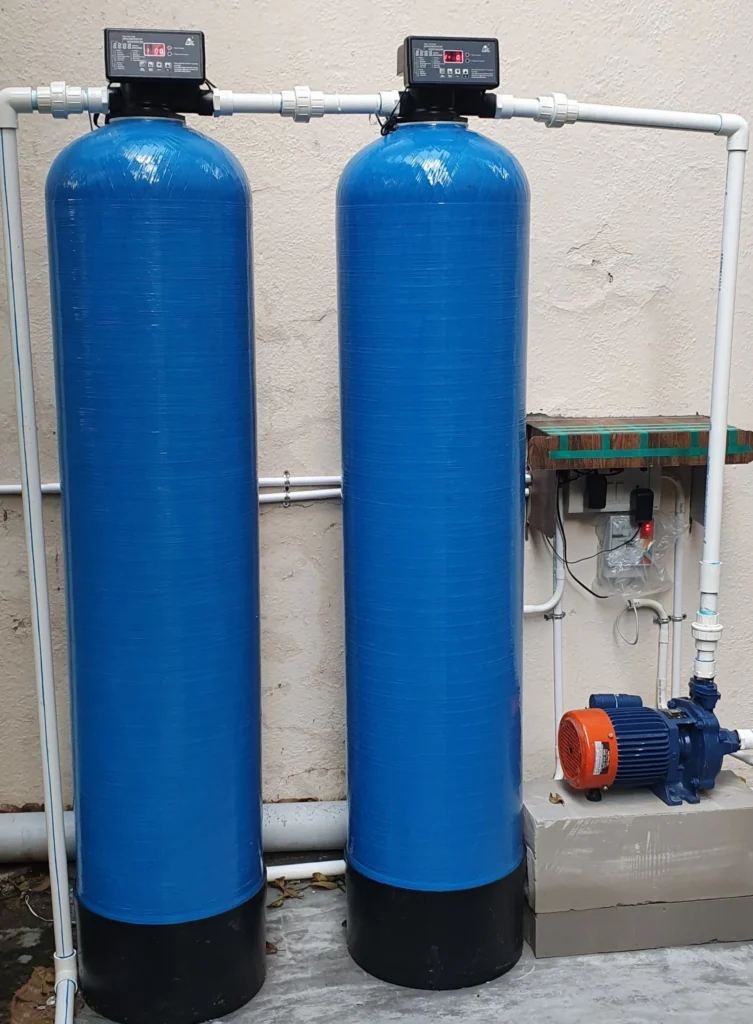
Whole-home filtration systems are designed to treat incoming water before it reaches different taps and appliances. Depending on their configuration, they can help reduce sediment, certain odors, chlorine, or other targeted substances. However, not every whole-house filter removes every contaminant. The filtration media, system capacity, water flow rate, and specific treatment claims all matter.
Imagine a family that regularly finds sediment in its bathtub and notices an unpleasant smell when filling the laundry machine. Installing a small filter beneath the kitchen sink might improve drinking water at that one location, but it would not necessarily address the wider problem. A properly selected whole-house system could be a more practical option.
Still, bigger equipment is not automatically better. Some homes need only a basic sediment filter, while others require a combination of treatment technologies. Before choosing a system, consider the number of bathrooms, daily water use, available installation space, and the maintenance the equipment will require.
Dealing With Iron and Mineral Buildup
Iron is a common water-quality concern, particularly in properties that rely on groundwater. It can leave reddish-brown stains in sinks, toilets, bathtubs, and laundry. In some cases, water may also have a metallic taste or produce particles that settle in a glass.
The challenge is that iron does not always appear in the same form. Dissolved ferrous iron may leave water looking clear initially, then turn orange or brown after exposure to air. Other forms may already be visible as suspended particles. These differences influence which treatment method is appropriate.
Effective iron removal starts with testing the water to determine the iron concentration and, where necessary, identify related issues such as manganese, hardness, or changes in pH. Depending on the results, treatment may involve oxidation followed by filtration, specialized iron filters, or other professionally selected methods. A simple sediment filter might capture some visible particles but will not necessarily remove dissolved iron.
Iron stains can be frustrating because ordinary household cleaners often struggle to remove them completely. Treating the underlying water issue is usually more useful than repeatedly scrubbing the same marks. It can also help prevent staining from returning, provided the selected equipment is suitable and maintained properly.
Maintenance Is Part of the Solution
A filtration system is not something homeowners should install and forget about. Filters collect particles, treatment media gradually lose effectiveness, and some systems require periodic backwashing or other servicing. When maintenance is neglected, performance can decline even if the equipment initially worked well.
Start by understanding the manufacturer’s recommended service schedule. Keep track of filter replacement dates, inspect visible connections for leaks, and pay attention to changes in water pressure, taste, or odor. A sudden drop in flow may indicate a clogged filter, although other plumbing problems can cause similar symptoms.
It is also worth remembering that different filters have different jobs. A carbon filter designed to improve taste should not be assumed to remove every health-related contaminant. Likewise, a water softener primarily addresses hardness minerals; it is not a universal drinking-water purifier. Knowing these distinctions helps prevent unrealistic expectations.
For systems that treat more complicated water conditions, professional maintenance can be useful. A technician can check whether the equipment is operating as intended and whether changing water conditions require adjustments.
Making a Sensible Investment in Water Quality
Buying water treatment equipment can feel complicated, especially when advertisements promise to solve every possible water problem. A more sensible approach is to begin with evidence. Test the water, identify the main concerns, and compare systems based on their stated capabilities, operating costs, and maintenance requirements.
Ask practical questions before making a decision. What exactly will the system remove or reduce? How often will components need replacement? Does it require electricity, drainage, or additional plumbing? Is the equipment sized for the household’s actual water use? Clear answers to these questions are more valuable than an impressive product description.
The best treatment plan is one that fits your home and addresses the problems you genuinely have. Sometimes that means installing a compact drinking-water filter. In other cases, a whole-house solution or a combination of technologies makes more sense.
Water quality may not be the most exciting part of homeownership, but it touches nearly everything we do. A little investigation now can mean fewer stains, more confidence in the water you use, and less money spent on unsuitable equipment. Start with a proper assessment, choose treatment carefully, and give the system the maintenance it needs. The result is a home where good water becomes something you can rely on every day.