You’ve just finished cleaning the bathroom, but somehow, those stubborn white marks around the faucets never seem to disappear completely. Your freshly washed towels feel rough, and your dishwasher leaves cloudy spots on otherwise clean glasses. Sound familiar?
These everyday inconveniences are often associated with hard water, a common concern that can affect everything from household cleaning routines to appliance performance.
For homeowners throughout Silicon Valley and the Bay Area, understanding their property’s water conditions is an important step toward finding an effective solution.
Installing suitable water treatment equipment can help address excessive hardness rather than repeatedly dealing with its effects. With the right system, everyday household activities can become considerably easier, while plumbing fixtures and valuable appliances receive additional protection against mineral accumulation.
Understanding the Benefits of Residential Water Softening
Hard water contains dissolved minerals, primarily calcium and magnesium. Although these minerals aren’t generally considered harmful to health, they can create several frustrating household maintenance challenges.
Exploring residential water softeners for your home is a practical way to address excessive mineral content and reduce many of the inconveniences associated with hard water.
Traditional ion-exchange softeners work by exchanging calcium and magnesium ions for sodium or potassium ions. This process reduces water hardness and helps minimize scale formation.
Think about how much time you spend scrubbing shower doors, cleaning faucets, or removing mineral deposits from kitchen surfaces. Softened water can make these tasks more manageable by reducing the mineral residue left behind.
You may also notice that soaps and shampoos lather more easily, potentially allowing you to use smaller quantities of certain cleaning products.
Laundry can benefit as well. Reduced mineral interference may help fabrics feel softer after washing.
These improvements might seem relatively small individually, but together, they can make a noticeable difference in everyday household convenience.
Water softening isn’t simply about improving appearance. It’s also about addressing the underlying conditions that contribute to recurring maintenance problems.
Choosing a Water Softener That Matches Your Household Needs
Every household has different water consumption patterns. A family with several bathrooms, frequent laundry loads, and considerable daily water usage will likely have different treatment requirements than a couple living in a smaller property.
When comparing home water softeners, consider your existing water hardness, household size, peak water demand, and available installation space.
Equipment capacity is particularly important. An undersized softener may regenerate more frequently than necessary, while unnecessarily large equipment could increase initial purchasing expenses.
Professional water testing provides valuable information when determining suitable equipment capacity.
Beyond sizing, homeowners should examine regeneration methods, salt consumption, water usage, and ongoing maintenance requirements.
Some systems regenerate according to a predetermined schedule, while others respond to measured water consumption. Demand-based regeneration can help avoid unnecessary regeneration cycles when household water usage varies.
It’s also worth considering equipment accessibility. You’ll need sufficient space to perform routine maintenance and replenish salt when required.
Rather than purchasing a system based solely on price or advertised features, compare the complete cost of ownership.
A well-chosen softener should address your property’s actual water conditions while remaining practical to maintain throughout its useful life.
Enjoy the Convenience of Whole-Property Water Treatment
Treating water at a single faucet might address an isolated concern, but excessive hardness can affect multiple areas throughout your home.
From bathroom showers to laundry appliances and kitchen fixtures, untreated hard water can create recurring maintenance difficulties wherever it’s used.
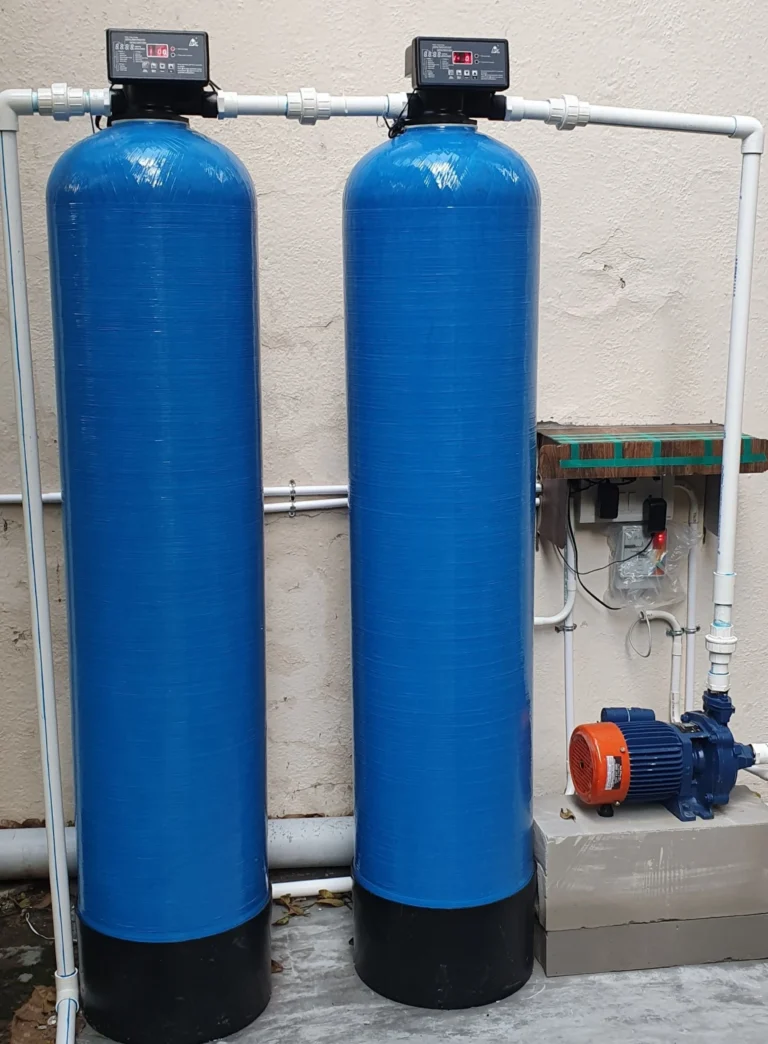
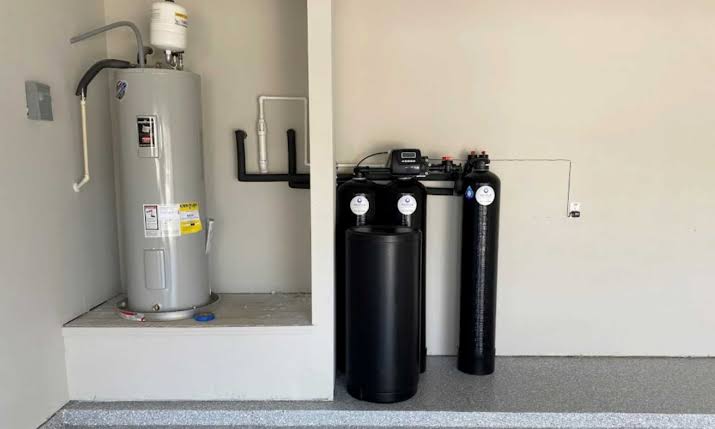
Installing a whole house water softener system allows homeowners to reduce hardness across connected household plumbing rather than treating individual water outlets separately.
These systems are typically installed near the property’s main water supply, allowing softened water to reach designated fixtures and appliances.
Imagine running your dishwasher, washing clothes, and taking a shower without constantly dealing with the same mineral-related frustrations.
A centralized treatment arrangement can offer greater convenience than attempting to address hardness separately in different rooms.
Water heaters may particularly benefit from reduced scale accumulation because mineral deposits can develop as hard water is heated.
However, whole-property softening doesn’t automatically remove harmful contaminants or address every drinking water concern.
Homeowners interested in reducing specific drinking water impurities may need additional filtration or reverse osmosis equipment.
A professional assessment can help determine whether a standalone softener or a combination of treatment technologies offers the most suitable solution.
Recognizing the Most Common Signs of Hard Water
Many homeowners become accustomed to hard water problems without realizing that appropriate treatment could help address them.
Some common indicators include:
- Chalky white deposits around faucets and showerheads.
- Cloudy spots on dishes and glassware.
- Difficulty producing a satisfactory soap lather.
- Rough or stiff clothing after washing.
- Recurring mineral buildup inside kettles and appliances.
- Stubborn soap residue on bathroom surfaces.
Although these symptoms may suggest excessive water hardness, professional testing provides a more reliable assessment.
Understanding the actual mineral concentration in your water can help you avoid purchasing equipment that doesn’t match your treatment requirements.
Protecting Your Plumbing and Household Appliances
Replacing a water heater, dishwasher, or washing machine can represent a considerable household expense.
Over time, hardness minerals can accumulate inside water-using equipment, potentially interfering with performance and increasing maintenance requirements.
Appropriate water softening helps reduce the conditions responsible for scale accumulation, which may contribute to better appliance performance and fewer scale-related maintenance concerns.
Existing deposits may still require professional cleaning or servicing.
Although installing a softener cannot guarantee extended appliance life, addressing excessive hardness offers a practical approach to protecting valuable household equipment.
Keeping Your Water Softener Performing Effectively
Once your water softener is installed, consistent maintenance becomes important for preserving treatment effectiveness.
Check salt levels regularly, follow manufacturer servicing recommendations, and monitor changes in water hardness.
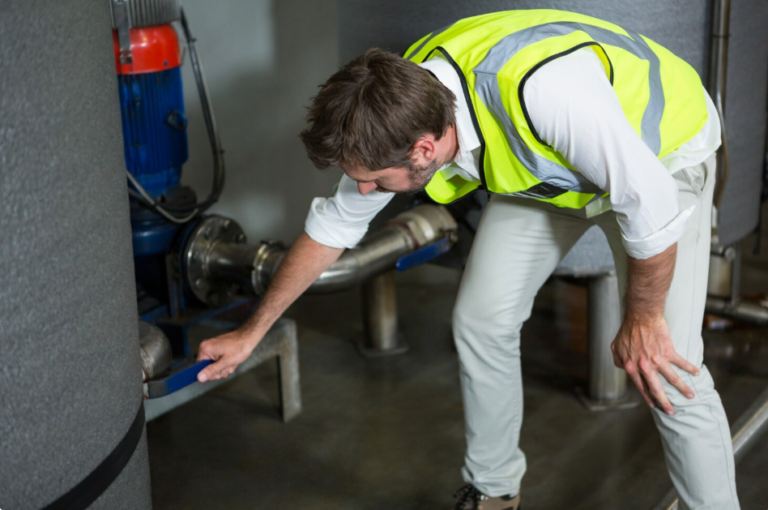
Occasional professional inspections can help identify operating concerns involving regeneration cycles, resin performance, or equipment settings.
Homeowners should also understand ongoing salt and water consumption before purchasing equipment.
A properly maintained system can continue providing dependable hardness reduction without requiring unnecessary attention every day.
Make Soft Water a Valuable Part of Your Everyday Life
Dealing with stubborn mineral deposits, rough laundry, and recurring appliance maintenance doesn’t have to become a permanent household routine.
With appropriate water testing, careful equipment selection, and professional installation, homeowners can address excessive hardness more effectively.
For families throughout Silicon Valley and the Bay Area, investing in suitable water softening technology can bring practical improvements to everyday living.
Better water isn’t simply a luxury. It’s an opportunity to simplify household chores, protect valuable appliances, and enjoy a more comfortable home with fewer hard water frustrations