A couple of centuries ago, people lived without electricity, evenings lit by candles and machines running on steam. No one could have imagined how deeply electricity would shape our daily lives. When it first appeared, only industries and wealthy households could access it. For most people, it felt like a distant luxury.
Today, in the 21st century, electricity powers almost everything around us. From charging our phones to running factories, we depend on it every hour of the day.
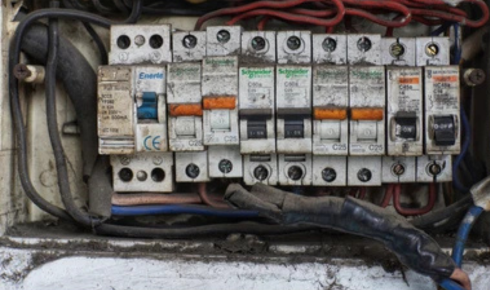
With greater power comes greater responsibility. As we use more electricity in our homes, offices, and factories, we must manage it carefully. Even a small fault can turn into a serious electrical hazard or fire risk. Overloaded circuits, short circuits, and leakage currents often create excess heat and damage wiring.
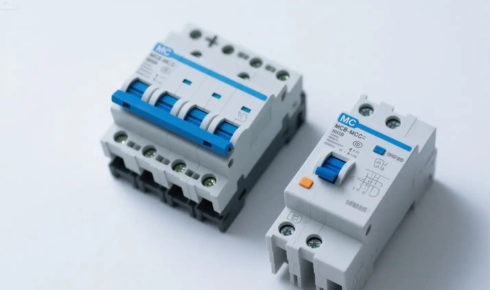
That’s why you should not rely on just one protective device. When you combine MCB, RCCB, and MCCB, you build a stronger safety system. Each device detects a different fault and cuts off power in time. Together, they reduce fire risks and protect both people and property.
Why Electrical Fires Happen
Electrical fires usually start when wires overheat. Excess load, damaged insulation, or loose connections generate heat inside the circuit. If you ignore these warning signs, the heat can ignite nearby materials, resulting in major damage.
Fortunately, modern circuit protection devices detect faults early and disconnect the supply immediately. This quick action reduces fire risks and keeps your electrical system safe.
How MCB, RCCB, and MCCB Improve Safety
1. MCB – Miniature Circuit Breaker
An MCB (Miniature Circuit Breaker) protects circuits from overload and short circuits. When the current crosses safe limits, the MCB trips instantly and stops the flow of electricity.
In homes and small workplaces, MCBs directly reduce fire risks.
2. RCCB – Residual Current Circuit Breaker
An RCCB (Residual Current Circuit Breaker) detects leakage current. When electricity flows through an unintended path, such as damaged wiring or a human body, the RCCBs immediately disconnects the circuit.
3. MCCB – Moulded Case Circuit Breaker
An MCCB (Moulded Case Circuit Breaker) handles higher current loads. Industries and large commercial buildings rely on MCCBs to protect heavy electrical systems.
MCCBs allow adjustable trip settings, so you can control how the breaker responds to faults. They protect against overload, short circuit, and in some cases, ground faults.
Why Layered Protection Works
When you combine MCB, RCCB, and MCCB in one distribution board, you create layered protection.
- MCBs protect smaller circuits from overload and short circuit.
- RCCBs stop leakage current and protect people from shocks.
- MCCBs secure high-power systems and industrial equipment.
Each device plays a specific role. Together, they provide complete safety coverage and significantly reduce fire risks.
Trusted manufacturers like IndoAsian design advanced MCB, RCCB, and MCCB solutions that meet modern safety standards. High-quality breakers trip quickly, last longer, and deliver reliable protection in critical situations.
Here’s a comparison between various electrical devices showing how they each help in managing different electrical hazards:
| Feature | MCB | RCCB | MCCB |
| Main Protection | Overload & Short Circuit | Detects leakage current | Overload & Short Circuit (high capacity) |
| Fire Risk Prevention | Stops wire overheating | Prevents fires from ground faults | Secures heavy electrical systems |
| Current Rating | Low to Medium | Medium | Medium to Very High |
| Ideal Usage | Homes & Small Offices | Homes & Commercial Spaces | Industrial & Large Buildings |
| Shock Protection | Does not provide | Provides strong shock protection | Limited |
Final Thoughts
Electricity powers our world, but we must protect it wisely. Layered circuit protection is a strategy involving MCB, RCCB, and MCCB devices, resulting in reduced fire risks and improved overall safety.
Trusted brands like IndoAsian make this protection more reliable. Their high-quality breakers deliver durability, fast tripping, and long-term performance. Layered protection does more than meet standards; it protects lives, property, and business continuity. By investing in dependable solutions, you build a safer and more secure environment.