A brand-new showerhead looks beautiful until those chalky white deposits begin appearing around its openings. Your favorite glassware gradually becomes cloudy, and the kettle needs descaling yet again. These might seem like minor household annoyances, but together, they can point toward a persistent hard water problem.
Finding water softeners that work starts with understanding your household’s mineral levels, water consumption, and the specific problems you’re hoping to resolve.
Not every property requires the same treatment equipment, and spending more money doesn’t necessarily guarantee better results.
The good news is that hard water is manageable. With appropriate treatment and a little preventive maintenance, homeowners can reduce future mineral accumulation, protect valuable appliances, and spend less time dealing with stubborn deposits.
Understanding Why Hard Water Causes So Much Trouble
Hard water contains dissolved calcium and magnesium, which occur naturally as water travels through underground soil and rock formations.
These minerals aren’t inherently harmful to most people, but they can create practical challenges around the house.
When hard water is heated or evaporates, mineral deposits may form on surfaces. You’ll commonly notice this buildup inside kettles, around faucets, and on shower screens.
The problems aren’t always visible, though.
Mineral deposits can gradually accumulate inside water heaters, dishwashers, and other water-using appliances. Over time, this may affect equipment performance and contribute to additional maintenance requirements.
Soap can also react with hardness minerals, leaving behind residue and making cleaning more demanding.
Testing your water hardness is a sensible first step toward understanding the extent of the problem.
Protecting Your Home Before Mineral Damage Gets Worse
Many homeowners repeatedly clean away limescale without addressing the reason it keeps returning. It’s understandable, but there’s only so much that household cleaning products can accomplish.
If you’re looking to stop the damage of hard water, reducing hardness at the incoming water supply can help prevent further scale accumulation and minimize certain mineral-related maintenance problems.
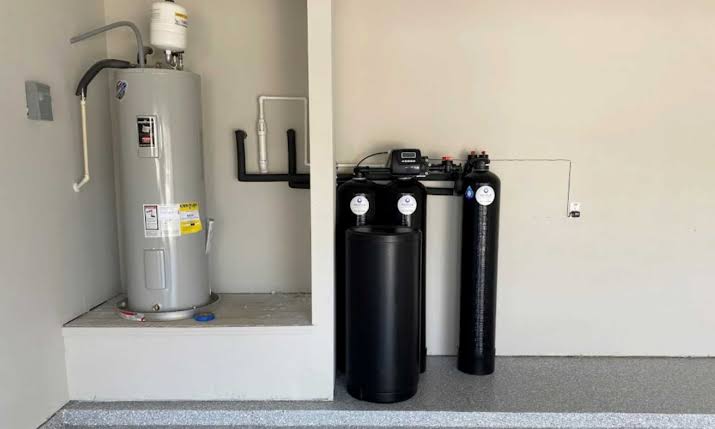
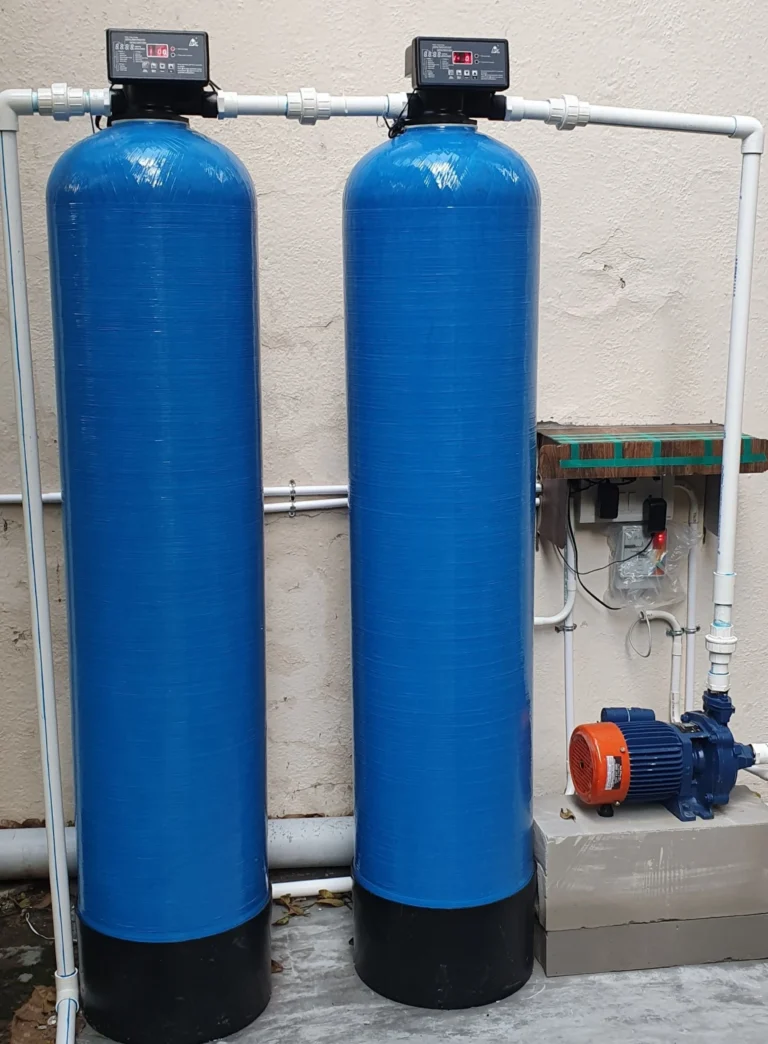
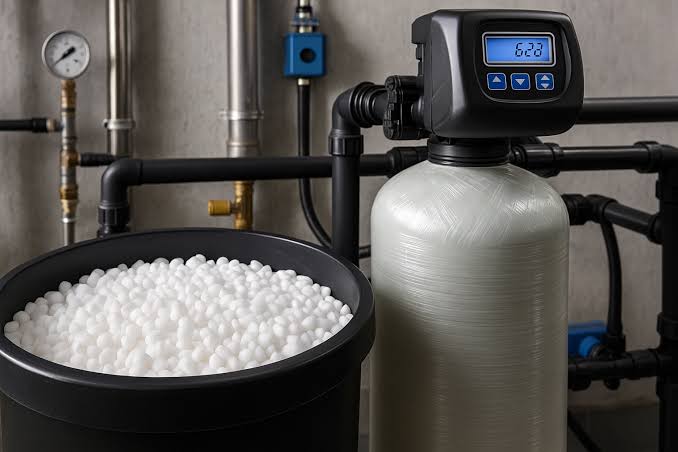
Conventional water softeners use ion exchange technology to reduce calcium and magnesium concentrations. This helps address the source of hardness rather than simply removing visible deposits afterward.
However, existing damage or substantial mineral accumulation may still require separate repairs or professional servicing.
Think of softening as preventive maintenance. Much like regularly servicing your car, taking care of your household water can help reduce avoidable problems down the road.
What Modern Water Softeners Bring to the Table
Water treatment equipment has evolved considerably, offering homeowners more control over how their systems operate.
Many advanced softeners incorporate demand-based regeneration, programmable settings, and water consumption monitoring to help manage treatment performance according to household requirements.
Demand-initiated regeneration allows equipment to regenerate based on measured water usage rather than relying exclusively on a fixed schedule.
Under suitable conditions, this may help reduce unnecessary salt and regeneration water consumption.
Some systems also provide maintenance reminders or diagnostic information, making it easier for homeowners to recognize when servicing is required.
Still, additional features aren’t automatically worth paying for.
Choose equipment that delivers reliable softening performance and remains straightforward to operate. A complicated control panel isn’t particularly useful if you never need half its functions.
Making Everyday Cleaning Less of a Battle
One of the first things homeowners may notice after installing suitable softening equipment is a difference in their cleaning routines.
Soap generally lathers more readily in softened water. Bathroom fixtures may accumulate less mineral residue, while glassware can become easier to keep presentable.
Laundry may also benefit when detergent quantities are adjusted appropriately.
There’s something satisfying about cleaning a shower screen and knowing those familiar mineral deposits may take longer to return.
Of course, softened water can feel slightly different when bathing. Some people describe a slippery sensation that takes a little getting used to.
These changes aren’t necessarily life-changing on their own. But when you’re washing dishes, doing laundry, and cleaning bathrooms every week, even modest improvements become worthwhile.
Choosing the Right System Size for Your Household
A common mistake when purchasing water treatment equipment is assuming that bigger automatically means better.
Water softener capacity should reflect measured hardness, daily water consumption, and peak household demand.
A family with several children, multiple bathrooms, and frequent laundry loads may need different equipment from a retired couple living in a smaller property.
Undersized equipment may require frequent regeneration or struggle to provide consistent treatment. Unnecessarily large equipment could increase purchase costs.
Ask your installer to explain how the recommended system matches your household’s actual requirements.
Consider available installation space, drainage arrangements, and accessibility for maintenance as well.
Getting these details right beforehand can make ownership considerably more convenient.
Understanding the Cost of Owning a Water Softener
The purchase price tells only part of the story.
Traditional softeners require periodic salt replenishment, regeneration water, and occasional servicing. These ongoing expenses deserve consideration when comparing equipment.
Follow manufacturer recommendations and monitor treatment performance periodically.
It’s also important to remember that softening isn’t the same as drinking water purification. Additional filtration or disinfection may be necessary depending on your water test results.
Individuals following medically prescribed sodium restrictions should discuss softened drinking water with an appropriate healthcare professional.
Understanding these practical responsibilities helps homeowners make informed decisions and avoid unexpected expenses.
A Worthwhile Investment in Your Home’s Future
Hard water doesn’t have to mean endless scrubbing, frequent descaling, and recurring appliance maintenance.
Start with reliable testing, select appropriately sized equipment, and establish a manageable servicing routine.
The real value of water softening often becomes apparent gradually, through easier cleaning and fewer mineral-related frustrations.
After all, improving your home isn’t always about visible renovations or expensive upgrades. Sometimes, it’s about protecting what you already own and making the ordinary responsibilities of everyday life a little easier.