
A cleanup project rarely looks complicated at the beginning. You might be clearing out a garage, renovating a commercial building, or preparing a property for its next tenant. There are a few things to remove, a little debris to collect, and a plan to get everything finished on time. Then the rubbish starts piling up, walkways become crowded, and the job suddenly feels much bigger than expected.
The good news is that waste removal doesn’t have to become another source of stress. With the right container, a realistic schedule, and a little preparation, you can keep a property organised while the work moves forward. It starts with understanding what you’re throwing away and choosing a collection option that suits the project.
Start With the Type of Waste You’re Handling
Not all waste behaves the same way. Old furniture and cardboard take up plenty of room without weighing very much, while concrete, brick, soil, and roofing materials can become heavy long before a container looks full. Mixing different materials without considering their weight and disposal requirements can create problems later.
Before arranging a pickup, walk through the site and identify the main materials involved. A kitchen renovation may generate cabinets, flooring, packaging, and broken tiles. A landscaping project could leave branches, soil, and stones. A commercial cleanout may involve shelving, office furniture, and unwanted inventory.
Think about whether any materials can be reused or recycled. Clean cardboard, suitable metals, and some building materials may be recoverable, depending on local facilities and contamination. Separating them where practical can make the cleanup more efficient.
It’s also important to identify restricted items before loading begins. Paint, chemicals, batteries, oils, electronics, and certain construction materials may require special handling. Ask the waste provider about its rules instead of assuming everything can go into the same container.
Choosing a Dumpster That Fits the Worksite
The right container makes a difference to how easily people can work. If it’s too small, debris may overflow or require repeated collections. If it’s too large, it can occupy valuable space and cost more than necessary. Neither situation is ideal when you’re trying to keep a project on schedule.
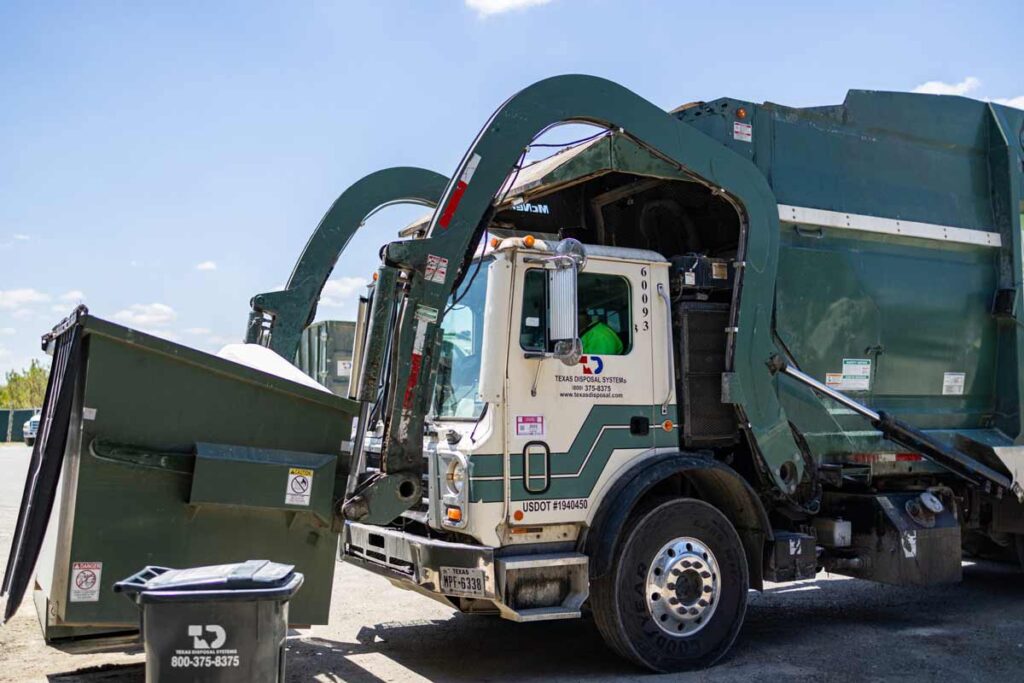
For many commercial properties, front load dumpsters provide a practical option for recurring waste collection. These containers are commonly used by businesses, restaurants, offices, retail locations, and apartment communities that generate waste regularly. A collection vehicle lifts the container using its front-loading mechanism, allowing the contents to be emptied into the truck.
The suitable container size depends on the amount of waste produced, available placement space, and collection frequency. A small office might need only a modest container with regular pickups, while a busy restaurant or multi-unit property may require greater capacity. Consider how much waste accumulates during a normal week and whether seasonal activity changes that amount.
Placement is worth planning carefully. The container should be easy for employees or tenants to access without blocking entrances, delivery areas, fire lanes, or pedestrian routes. The collection vehicle also needs sufficient clearance to approach and service it safely.
Before signing an agreement, confirm the collection schedule, rental terms, accepted materials, and any weight or overflow restrictions. These details help prevent avoidable interruptions once the container is in use.
Handling Heavy Debris From Construction and Renovation
Construction work creates a different set of challenges. Demolition can produce dense, awkward materials that are difficult to move by hand and may not be suitable for an ordinary mixed-waste container. Broken concrete, masonry, asphalt, and similar debris need to be handled with weight limits and disposal requirements in mind.
A dedicated concrete haul can be useful when a project involves removing old driveways, sidewalks, foundations, patios, or other concrete structures. Because concrete is heavy, the collection method and container capacity should be chosen specifically for that material. Filling a general-purpose dumpster with dense debris without checking the permitted load can result in additional charges or a collection that cannot proceed safely.
It’s helpful to estimate the quantity before demolition begins. A contractor may be able to calculate the approximate volume from the dimensions of the slab or structure. Even a rough assessment is better than waiting until the debris is already scattered across the site.
Keep concrete separate from general rubbish when the provider requires it. Mixing it with timber, household waste, or other materials may complicate processing and reduce the options available for recycling. Some facilities can crush suitable concrete for use as aggregate or fill, although acceptance depends on local rules and the material’s condition.
Safety matters during loading, too. Concrete fragments can have sharp edges, and lifting heavy pieces improperly can cause injuries. Use suitable equipment and protective gear, and never overload a container simply because there’s still visible space inside it.
Making Property Cleanouts More Manageable
Not every cleanup involves construction equipment. Sometimes the challenge is sorting through years of accumulated belongings. A spare room becomes a storage area, a garage fills with boxes, or a property manager needs to clear a unit before a new occupant moves in.
Properties containing storage units or self-storage facilities may need regular removal of abandoned items, packaging, broken furniture, and other unwanted materials. The amount can vary widely from one unit to another, so it helps to inspect the contents before deciding how to organise the removal.
For a household cleanout, work room by room rather than trying to empty the entire property at once. Set aside items to keep, donate, recycle, or discard. This approach reduces the chance of throwing away something useful simply because the cleanup feels overwhelming.
For property managers, clear procedures can make a big difference. Confirm who is authorised to remove items, follow the facility’s policies, and make sure any required notices or waiting periods have been observed before disposing of abandoned belongings. Local rules may apply, so don’t assume that an item can be removed immediately just because it has been left behind.
Keep access routes clear while sorting. Piles of boxes and furniture can quickly become tripping hazards, especially in narrow corridors or shared areas. A planned collection helps prevent clutter from spreading into spaces used by tenants, staff, or visitors.
Plan Collection Around Your Schedule
Waste removal works best when it fits the project instead of interrupting it. For a renovation, arrange delivery before the main demolition phase begins. For a business, schedule routine pickups when waste levels are predictable and the collection vehicle can reach the container without interfering with deliveries or customers.
If the amount of debris may change, ask whether extra pickups or a container swap can be arranged. A roofing job, for instance, may produce a large amount of waste over a short period, while an office cleanout may progress gradually over several days.
Weather can affect the plan as well. Rain may add weight to some materials, while wind can scatter lightweight packaging. Follow the provider’s loading guidance, keep waste below the fill line, and avoid placing prohibited materials inside the container.
Understand the Cost Before Booking
Pricing may depend on container size, rental duration, collection frequency, location, waste type, and weight. Request a written estimate that explains what is included, along with any possible overage, extension, or additional pickup charges.
Don’t compare providers on the advertised price alone. One offer may include delivery, collection, and a specific disposal allowance, while another may charge for some of those services separately. Understanding the complete cost makes it easier to choose an option that fits the project budget.
Finish With a Cleaner, Safer Space
A well-planned waste removal process helps people work more safely, keeps properties organised, and reduces the frustration of dealing with unwanted material at the last minute. The key is to assess the waste, choose suitable equipment, and arrange collection before clutter starts affecting the work.
Whether you’re managing a construction site, maintaining a commercial property, or clearing out a home, a little preparation goes a long way. When waste removal is treated as part of the overall plan, the cleanup becomes easier to control—and the finished space is ready for its next purpose.