Let’s be honest—most of us take water for granted. It flows from the tap, we fill our glasses, boil our pasta, scrub our faces, and call it a day. But then, one day, something changes. Your skin feels tight, your hair’s limp no matter how fancy your shampoo is, and your appliances start aging faster than they should. That’s when it hits: the water might look clear, but it’s got some baggage.
If you’ve ever stared at your showerhead, wondering why it’s crusted with white buildup, or if you’ve caught a faint chemical whiff while brushing your teeth, you’re not imagining things. The problem isn’t your nose or your standards—it’s your water. Let’s talk about what’s really going on behind the faucet and how to deal with it.
The Heavy Reality of Hard Water
Ever feel like no matter how much soap you use, nothing really feels “clean”? Welcome to the world of hard water. It’s basically water with too much calcium and magnesium floating around—minerals that sound harmless until they start gumming up your pipes, leaving spots on your dishes, and turning your once-luxurious showers into dull, dry-skin rituals.
Hard water doesn’t just affect your comfort; it affects your wallet too. That scale buildup can wreck water heaters and dishwashers way before their time. And don’t even get me started on the detergent—everything foams less, so you use more. It’s like your water is working against you instead of with you.
Fixing hard water doesn’t mean moving to a new city—it just means getting serious about your home’s water treatment.
Is That Pool Water? Nope, Just Your Tap
If your water smells like a public swimming pool or tastes a bit like you’re drinking from one, it’s probably not your imagination. The culprit? Chlorine. Sure, it’s there for a good reason—disinfection—but that doesn’t mean it should make your home feel like a spa gone wrong.
Chlorine removal is becoming a hot topic, especially for people with sensitive skin or those who just want their morning coffee to taste like, well, coffee. Excess chlorine can irritate your eyes, dry out your skin, and even interfere with the flavors in your food and drinks.
Luckily, the fix isn’t all that complicated. Carbon-based filters can dramatically reduce chlorine levels, making water taste better and feel gentler. It’s one of those small changes that ends up feeling surprisingly luxurious.
Clearing Out the Grit: Sediment’s Sneaky Role
Let’s not forget about the stuff you can sometimes see: the tiny grains, the specks that settle at the bottom of your glass, or worse, clog your appliances. This one’s usually a sign that you need better sediment reduction.
Sediment might sound like no big deal—it’s just dirt, right? But over time, it can clog faucets, damage water heaters, and even interfere with filtration systems. Think of it like sandpaper slowly scratching away at your home’s plumbing.
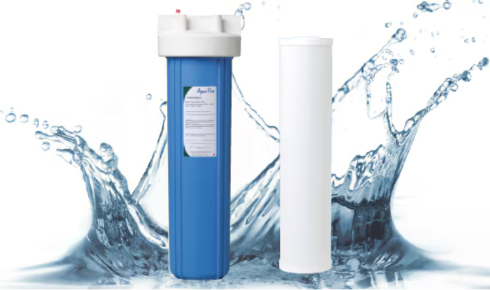
A good pre-filter can catch those particles before they do any damage, protecting both your water quality and your appliances. It’s a basic upgrade that pays off every time your washing machine doesn’t choke mid-cycle.
The Little Things Add Up
It’s funny how we spend so much energy finding the right skincare products or choosing the best coffee beans, but we forget that water touches almost every part of our lives. The wrong kind of water can slowly sabotage even the best routines.
And no, it doesn’t take an industrial setup or five figures in plumbing work to solve these issues. Most solutions these days are modular—meaning you can tackle hard water with a softener, add a filter for chlorine, and throw in a sediment trap all in one streamlined system. Set it, forget it, and just enjoy better water.
Let’s Talk Taste (Because Yes, It Matters)
There’s something so satisfying about water that tastes right. Not metallic. Not swampy. Not pool-clean. Just… crisp. A well-filtered glass of water is one of those things you don’t fully appreciate until you’ve had it. And when you finally do? It’s hard to go back.
Whether it’s for sipping, cooking, or brewing your morning cup of ambition, the quality of your water sets the tone. It’s not a stretch to say that cleaner, balanced water can actually make life taste better.
The Bottom Line: Water Quality Deserves Your Attention
Look, nobody wants to become a plumbing expert or a filtration nerd. But understanding the basics—like how to deal with hard water, why chlorine removal makes a difference, and how sediment reduction helps protect your appliances—can genuinely change your relationship with your home.
And the best part? Once you’ve handled these problems, you don’t have to think about them again. It becomes part of the background—a quiet comfort that makes everything feel just a little easier.
So if your water’s been bugging you—whether it’s leaving a film on your dishes or just not tasting the way you think it should—it might be time to give it the attention it deserves. A few small changes now can ripple out into big improvements later.