There’s a particular kind of silence that falls over a building when the air system shuts down. In a home, it’s uncomfortable. In a business, it can be chaotic. Either way, it’s never convenient. Heating, ventilation, and air conditioning systems quietly do their job in the background—until they don’t. And when that moment arrives, most of us realize we don’t actually know much about the system we depend on every day.
HVAC isn’t glamorous. It doesn’t have the visual appeal of a kitchen remodel or the buzz of a new office launch. But it’s foundational. It’s what keeps families comfortable in July and employees productive in January. It protects equipment, preserves inventory, and quite frankly, keeps tempers cool.
So how do you choose the right help when things go wrong—or better yet, before they do?
The Difference Between Residential and Commercial Needs
A common mistake people make is assuming all HVAC companies do the same thing. They don’t. The needs of a single-family home are very different from those of a warehouse, hospital, or office tower.
When it comes to residential hvac services, the focus is typically on comfort, energy efficiency, and long-term reliability. Homeowners want quiet systems, reasonable utility bills, and quick turnaround times. A good residential technician understands airflow balance, insulation challenges, thermostat placement, and the little quirks that come with lived-in spaces. They’re often working in tight attics, cramped basements, or right beside someone’s kitchen table.
And there’s a human side to it. When someone’s home loses heat in winter, it’s not just inconvenient—it’s stressful. The right service provider shows up not only with tools, but with empathy.
Commercial systems, however, are a different beast entirely.
Bigger Systems, Bigger Stakes
In the commercial world, scale changes everything. Larger buildings require complex ductwork, rooftop units, zoning controls, and advanced monitoring systems. A small issue can ripple across an entire facility.
That’s where commercial hvac services step in. These teams handle multi-ton units, building automation systems, ventilation compliance, and sometimes strict regulatory requirements. They need to coordinate with facility managers, electricians, and sometimes entire operations teams. Downtime isn’t just uncomfortable—it can mean lost revenue.
Think about a restaurant kitchen with poor ventilation. Or a data center that overheats. Or a retail store in peak summer heat. These aren’t minor inconveniences. They’re operational risks.
Commercial HVAC providers also tend to focus heavily on preventive maintenance. Scheduled inspections, filter replacements, system calibrations—these aren’t optional add-ons. They’re part of risk management. Smart businesses treat HVAC maintenance like insurance. Because in many ways, it is.
What Makes a Good HVAC Partner?
Here’s where things get practical.
First, look for licensing and certifications. That sounds obvious, but it matters more than people think. Refrigerant handling, electrical work, gas connections—these aren’t DIY categories. Certified technicians are trained not just to fix systems, but to do it safely.
Second, pay attention to communication. A reliable provider explains what’s wrong in plain English. They don’t drown you in jargon. They offer options when possible. They respect your time.
Third, check for responsiveness. HVAC issues rarely wait for convenient hours. A company that offers emergency support isn’t just selling a service—they’re offering peace of mind.
And finally, consider long-term relationships. The best HVAC professionals don’t just fix problems; they help you avoid them. They track service history. They recommend upgrades when systems are nearing the end of their lifespan. They think ahead.
Maintenance: The Boring Secret to Comfort
Let’s be honest—nobody wakes up excited about air filter replacement. But routine maintenance is the unsung hero of indoor comfort.
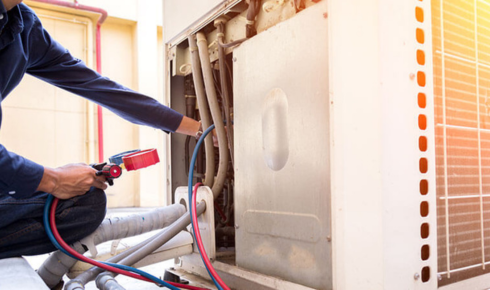
Regular inspections can catch small refrigerant leaks before they turn into compressor failures. Dirty coils can be cleaned before they strain the system. Thermostats can be recalibrated before they create uneven temperatures.
Many people only search for hvac services when something breaks. And that’s understandable. But the smarter move—especially for businesses—is preventive care.
It’s a bit like going to the dentist. It’s easier (and cheaper) to handle small issues early than to wait for a root canal situation.
Maintenance plans often include seasonal tune-ups, performance checks, and priority service. Over time, they can extend equipment lifespan and reduce utility costs. And in a world where energy prices fluctuate, efficiency isn’t just a buzzword—it’s a bottom-line factor.
Energy Efficiency and Modern Systems
Technology has changed the HVAC landscape significantly in the past decade. Smart thermostats, variable-speed compressors, zoning systems, and high-efficiency heat pumps are no longer luxury upgrades—they’re becoming standard.
Homeowners are increasingly aware of their carbon footprint. Businesses are tracking energy metrics. Utility rebates and tax incentives are encouraging system upgrades.
A knowledgeable HVAC provider doesn’t just replace like-for-like equipment. They assess usage patterns. They evaluate insulation and airflow. They look at long-term savings, not just upfront costs.
And here’s the thing: sometimes the most expensive option isn’t the best one. Oversized systems, for example, can short-cycle and wear out faster. Proper load calculation—something professionals handle—is critical.
Signs It Might Be Time for Service
If you’re unsure whether to call someone, here are a few practical red flags:
- Uneven temperatures between rooms
- Unusual noises (clanking, buzzing, rattling)
- Higher-than-normal energy bills
- Frequent cycling on and off
- Poor airflow from vents
These signs don’t always mean disaster, but they do signal that something isn’t operating as it should.
And waiting rarely makes it better.
A Final Thought: Comfort Is Infrastructure
We rarely think about air—until it’s wrong. Too hot. Too cold. Too stale. Too dry.
But indoor comfort shapes our mood, productivity, sleep, and overall well-being. In businesses, it shapes customer experience and employee satisfaction. It protects equipment and inventory. It supports health.
Choosing the right HVAC support isn’t just a technical decision. It’s a strategic one.
Whether you’re managing a busy commercial facility or simply trying to keep your home comfortable through changing seasons, the right team makes all the difference. Not just in emergencies—but in the quiet, everyday moments when everything simply works as it should.