
When a Pond Loses Its Spark: Restoring Clear, Healthy Water the Right Way
There’s something almost meditative about standing beside a pond. The surface shifts with the breeze, koi glide beneath lily pads, and for a moment everything feels still. But if you’ve ever owned or managed a pond, you know that calm surface can hide a thousand little problems.
Algae blooms creeping across the water. A murky green tint that won’t go away. A faint smell that suggests things aren’t quite balanced underneath. It doesn’t happen overnight. It’s gradual. Subtle. Until one day you look out and think, “This doesn’t look right.”
Ponds, whether decorative backyard features or larger landscape installations, are living systems. They require attention, patience, and the occasional course correction. And that usually begins with understanding water quality — because that’s the foundation everything else depends on.
Why Water Quality Matters More Than You Think
Healthy pond water isn’t just about appearance. It’s about oxygen levels, beneficial bacteria, nutrient balance, and the overall ecosystem. Fish, plants, and even insects rely on stable conditions.
When nutrients like nitrogen and phosphorus accumulate — often from runoff, fish waste, or decaying organic matter — algae find their moment. They bloom quickly, turning clear water cloudy. Oxygen levels can drop, stressing fish and disrupting the balance you worked so hard to create.
It’s easy to focus on what you can see. The green water. The stringy algae clinging to rocks. But the real story is happening beneath the surface. Dissolved oxygen, pH levels, and bacterial activity all shape how your pond behaves.
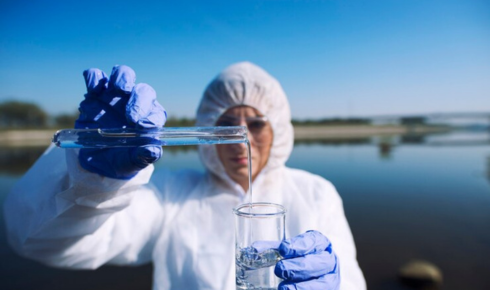
Testing the water periodically gives you insight instead of guesswork. And that clarity — literal and figurative — makes all the difference when deciding how to respond.
A Thoughtful Approach to Pond Care
There’s no one-size-fits-all solution in pond care. Some issues resolve with better circulation or aeration. Others call for biological treatments that encourage beneficial microbes to outcompete algae.
In more stubborn cases, chemical interventions are considered. One option that’s gained attention over the years is hydrogen peroxide treatment. When applied correctly and in appropriate concentrations, hydrogen peroxide can help control algae and increase oxygen levels in the water as it breaks down.
It’s not a magic wand. And it certainly isn’t something to pour in casually. Dosing matters. Timing matters. The size of the pond, presence of fish, and overall ecosystem all influence whether this approach makes sense.
But when used responsibly, it can be a valuable tool — particularly for spot treatments of string algae or addressing localized problem areas.
The key word here is responsibly. Pond care is less about quick fixes and more about balance.
Everyday Habits That Protect Your Pond
Sometimes, the most effective strategies are surprisingly simple. Skimming debris before it sinks and decomposes. Trimming back overhanging plants that drop excess organic matter. Adjusting feeding routines so fish aren’t leaving uneaten food to decay.
These small habits prevent nutrient overload, which in turn reduces algae growth. Think of it as preventative maintenance rather than crisis management.
Filtration systems also play a role. Mechanical filters capture debris. Biological filters foster bacteria that break down waste. UV clarifiers can limit free-floating algae. When all these elements work together, the pond becomes more resilient.
For homeowners investing in pond water treatment, the goal isn’t sterile water — that would defeat the purpose of a natural feature. Instead, it’s about clarity, stability, and supporting life.
A healthy pond still has microorganisms and organic processes at work. It just doesn’t spiral out of control.
The Balance Between Intervention and Patience
One of the hardest lessons in pond management? Learning when to wait.
It’s tempting to react immediately when water turns cloudy. But ponds often need time to stabilize after seasonal changes. Spring warm-ups can trigger temporary algae growth. Heavy rain can stir sediment. Even adding new fish can shift the equilibrium.
Acting too aggressively can sometimes do more harm than good. Over-treating with chemicals can disrupt beneficial bacteria. Excessive cleaning can remove organisms that support natural balance.
There’s a rhythm to pond care. Observe. Test. Adjust gradually. Then observe again.
It’s a bit like gardening, really. You guide the process, but you don’t control every detail.
Long-Term Health Over Quick Results
If you’re aiming for lasting improvement, think long term. Aeration systems help maintain oxygen levels, especially in deeper ponds. Beneficial bacteria treatments can reduce sludge buildup over time. Plant selection also matters — aquatic plants compete with algae for nutrients and provide natural filtration.
Design plays a role too. Proper circulation prevents stagnant zones where algae thrive. Depth variations create stable temperature layers. Even shading from nearby trees (in moderation) can reduce excessive sunlight that fuels algae growth.
When these pieces align, treatments become less frequent and less dramatic. The pond begins to maintain itself more effectively.
And that’s really the sweet spot: a system that feels alive but stable.
A Living Feature That Reflects Care
There’s something deeply satisfying about restoring a pond to clarity. Watching fish reappear beneath the surface. Seeing reflections ripple across water that looks clean and inviting again.
But that clarity isn’t accidental. It’s the result of thoughtful attention — understanding nutrient balance, applying treatments carefully, and respecting the ecosystem as a whole.
Healthy pond management isn’t about chasing perfection. It’s about maintaining harmony. A balance between intervention and patience. Between action and observation.
Leave a Reply
You must be logged in to post a comment.