
Behind the Walls and Under the Sink: The Plumbing Fixes That Really Matter
There’s a certain kind of quiet panic that comes with a strange smell near your stove, cloudy tap water, or a sudden white film coating every glass in your dishwasher. It’s not the dramatic type of emergency that floods your basement, but it’s enough to make you pause and think — “Hmm, something’s not right.”
Most homeowners don’t think about their plumbing until something goes haywire. But some of the most important systems are the ones you rarely see. From the invisible path of your gas lines to the quality of the water pouring from your faucet, the right upgrades and repairs can seriously upgrade your life. And your safety.
When Gas Lines Go Rogue — Know the Signs, Act Fast
Let’s start with the heavy stuff. Gas lines are one of those things you really don’t want to mess with. They power your stove, your furnace, your water heater — and they do it silently. But if there’s a leak? That’s no joke. A faint sulfur smell, dying houseplants, or even that odd hissing near a pipe — these are signs that demand your attention immediately.
The problem is, you can’t see gas. You can’t touch it. So when something goes wrong, it often sneaks up on you. Professional gas line repair is not just a service — it’s a safety net. Whether it’s replacing old lines, sealing up a crack, or testing for slow leaks, licensed plumbers have the tools and experience to make sure you’re not living in a ticking time bomb. And unlike that DIY video you watched last night — they’ll actually do it right the first time.
The Case for Softer Water: Why Water Softeners Make a Real Difference
If your skin feels dry after every shower or your coffee maker clogs more than it should, chances are, your water’s a little too hard. It’s not a life-threatening issue — but it is annoying, costly, and silently destructive. That’s where water softeners come in.
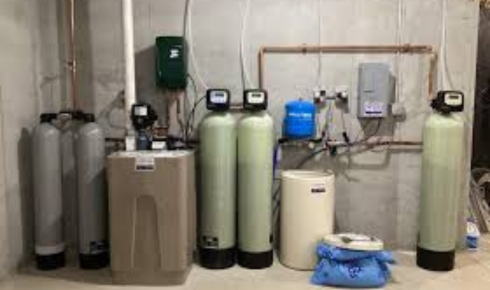
Hard water is loaded with minerals like calcium and magnesium, and while that might sound “natural,” it doesn’t do your appliances, pipes, or skin any favors. Over time, those minerals build up, forming scale that reduces water flow, eats away at fittings, and shortens the life of your washer, dishwasher, and hot water heater.
A water softener quietly strips out those minerals before they can cause problems. It keeps your plumbing clean, your soap sudsier, and your clothes softer. And if you’ve ever noticed your glassware coming out of the dishwasher looking like it’s been dipped in chalk — you’ll thank yourself for making the switch.
Clean Water Isn’t a Luxury — It’s a Non-Negotiable
We often take clean water for granted. You turn on the tap and expect it to be crystal clear, tasteless, and safe. But depending on where you live — and what’s going on beneath the ground — your tap water might not be as pure as you think. Chemicals, sediments, even trace pharmaceuticals can sneak into your water supply.
That’s where water filtration earns its keep. Whether it’s a whole-house system or a dedicated drinking tap, filtration removes the invisible stuff that affects taste, smell, and safety. It’s not just about being “health conscious” — it’s about peace of mind. Clean water shouldn’t be optional, and filtration makes sure you’re not relying on luck when it comes to what’s in your glass.
Plus, filtered water means less buildup in your kettle, better-tasting meals, and fewer odd smells in the middle of brushing your teeth. It’s one of those upgrades you don’t realize you needed until you experience the difference.
The Bigger Picture: Healthy Home, Clear Mind
What ties all of this together — from invisible gas lines to what’s inside your glass of water — is the idea of hidden quality. These are things you won’t see on a home tour, but they have a massive impact on how comfortable, efficient, and safe your home actually is.
Regular maintenance, thoughtful upgrades, and professional inspections aren’t about spending money for the sake of it. They’re about protecting what matters most — your health, your family, your peace of mind. A home that smells right, runs smoothly, and feels clean isn’t an accident. It’s intentional.
A Final Thought: Don’t Wait for the Boom, Drip, or Smell
The best time to fix a problem is before it explodes. That’s true for relationships, diets, and definitely plumbing. So if something feels off — whether it’s water that tastes weird, heat that smells strange, or sinks that look like they’re aging in dog years — listen to your gut.
Get it checked. Make the investment. Call someone who knows what they’re doing. Because the little things behind your walls and under your sink? They’re not so little after all.
Leave a Reply
You must be logged in to post a comment.