
The Everyday Value of Clean Water: Why It Matters More Than Most People Realize
Most people don’t wake up thinking about water quality. It’s not exactly the kind of topic that sparks excitement at breakfast. You turn on the tap, fill a glass, maybe boil some for tea, and carry on with your day. It’s routine—so ordinary that it’s almost invisible.
But the moment something changes, even slightly, you notice. The water tastes odd. Soap doesn’t rinse properly. Your skin feels unusually dry after a shower. Suddenly, that everyday convenience becomes something you can’t ignore.
Clean water isn’t just about drinking. It quietly touches every corner of daily life—from cooking and cleaning to health and home maintenance. And yet, many households only start paying attention when problems appear.
The Hidden Impact of Water Quality at Home
It’s surprising how much water quality influences everyday comfort. Think about your morning routine for a second. The water you use to brush your teeth, wash your face, and make coffee all comes from the same source.
If it contains excess minerals or impurities, the effects show up in small but persistent ways. Hair can feel dull. Appliances might develop mineral buildup. Even freshly washed clothes can feel rough over time.
What makes it tricky is that these changes happen gradually. There’s rarely a dramatic “before and after” moment—just a slow shift that people often mistake for normal wear and tear.
But once homeowners improve their water quality, they usually describe the change in surprisingly personal terms. They say things like, “Everything just feels smoother,” or “I didn’t realize how much it bothered me until it was fixed.”
Why Testing Water Is the First Smart Step
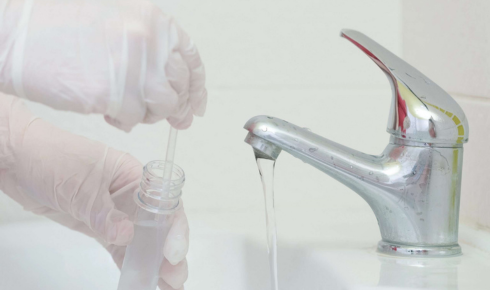
Before investing in filtration systems or treatment solutions, it’s important to understand what’s actually present in your water supply. That’s where a free water test can be incredibly useful.
It’s a simple process, yet it reveals valuable information—like mineral levels, chlorine content, and potential contaminants. Many homeowners are surprised by the results, not because they’re alarming, but because they show details they’d never considered.
Testing provides clarity. Instead of guessing or relying on assumptions, you can make informed decisions about the type of treatment that best suits your home.
And honestly, there’s something reassuring about having real data rather than relying on uncertainty.
The Difference Between Residential and Commercial Needs
Water treatment isn’t limited to households. Businesses, restaurants, and industrial facilities also depend heavily on water quality for daily operations.
For example, restaurants need clean water to maintain food safety standards and protect equipment like dishwashers and coffee machines. Manufacturing facilities often require precise filtration to ensure consistent production quality.
That’s why specialized commercial products are designed to handle higher volumes and more demanding requirements. These systems focus on durability, efficiency, and performance under continuous use.
Even though the scale is different, the core goal remains the same—ensuring reliable, high-quality water.
How Clean Water Supports Health and Comfort
Beyond taste and convenience, water quality plays a significant role in personal health. Impurities can affect skin sensitivity, hair condition, and overall hydration experience.
Some people notice fewer skin irritations after switching to treated water. Others find their hair feels softer and easier to manage. These improvements may seem small, but they add up over time.
This is where a professional healthy water service can make a meaningful difference. These services often combine testing, customized treatment recommendations, and ongoing maintenance to ensure long-term effectiveness.
It’s not about chasing perfection—it’s about creating a consistently comfortable environment.
The Emotional Side of Reliable Water Systems
It might sound unusual, but water quality can influence peace of mind. Knowing your home has safe, clean water reduces a certain kind of background worry.
You don’t question whether it’s okay to drink from the tap. You don’t stress about appliance damage caused by mineral buildup. You simply trust your water to do what it’s supposed to do.
And that quiet trust makes daily life feel smoother.
Prevention Is Always Better Than Repair
One common mistake homeowners make is waiting until visible problems appear. By the time stains, odors, or equipment issues show up, the underlying cause may have been present for years.
Proactive testing and treatment prevent those long-term complications. They protect plumbing systems, extend appliance lifespan, and reduce maintenance costs.
In many ways, water management is similar to routine healthcare—regular check-ups prevent bigger problems later.
A Small Upgrade With a Big Impact
Unlike major renovations, improving water quality doesn’t dramatically change how your home looks. There’s no new furniture to admire or fresh paint to show off.
But the impact is felt daily. Better-tasting beverages. Softer laundry. Reduced cleaning effort. More reliable appliances.
These subtle improvements create a sense of comfort that’s hard to quantify but easy to appreciate.
The Quiet Importance of Awareness
At its core, maintaining good water quality starts with awareness. Understanding what flows through your home allows you to make smarter decisions about treatment and maintenance.
Leave a Reply
You must be logged in to post a comment.