
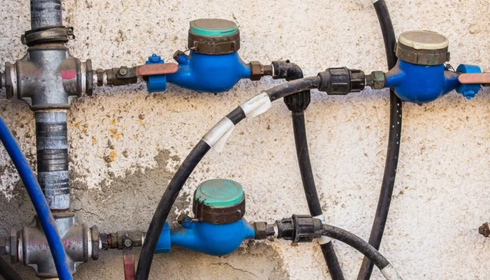
The Quiet Intelligence Behind Modern Water Systems at Home
It’s funny how we’ve made almost everything in our homes smarter — lights, cameras, even doorbells — but water? For the longest time, it stayed in the background. You turn on a tap, it flows. Simple. Reliable. Or at least, that’s how it used to feel.
But lately, more people are starting to realize something: water isn’t just about flow anymore. It’s about control. Awareness. And, maybe most importantly, avoiding problems before they quietly become expensive ones.
Because let’s be honest — most water issues don’t announce themselves. They build up. A small leak here. A spike in usage there. By the time you notice, it’s already done some damage.
When Water Starts Telling a Story
Think about your monthly bills for a second. Electricity — you track it. Internet — you monitor it. But water? Most of us just glance at the bill and move on.
That’s changing now, slowly but surely.
With a wireless water monitoring system, homeowners are starting to see their water usage in real time. Not in vague estimates, but actual numbers. When you’re using water, how much, and sometimes even where.
It’s oddly eye-opening. You might notice that your usage spikes late at night — maybe a leaking toilet. Or that your garden watering routine is using more than expected. These aren’t things you’d catch otherwise.
And once you see it, you can’t unsee it.
Technology That Works Quietly in the Background
One of the most interesting developments in this space is how seamlessly these systems fit into everyday life. You don’t have to constantly check them or babysit an app. They just… exist, doing their job quietly.
Take something like hydrolink technology. It connects your water system to smart monitoring tools, allowing you to track performance, detect irregularities, and even receive alerts if something unusual happens.
It’s not flashy. It doesn’t demand attention. But it adds a layer of awareness that most homes never had before.
A friend of mine installed a similar system last year. He didn’t think much of it at first — just another smart home upgrade. But a few weeks in, he got a notification about continuous water flow while he was away. Turned out to be a small leak under the sink. Nothing dramatic, but left unnoticed, it could’ve turned into a bigger issue.
That’s the thing. These systems don’t just inform you — they protect you, quietly.
Understanding Your Habits Without Trying Too Hard
There’s something slightly fascinating about seeing your own habits laid out in data. Not in a judgmental way, just… matter-of-fact.
With proper water usage monitoring, patterns start to emerge. Maybe you use more water on weekends. Maybe your morning routine is heavier than you thought. Or maybe there’s a steady, unexplained usage that doesn’t match any normal activity.
It’s not about obsessing over numbers. It’s about understanding your home better.
And once you understand it, making small changes becomes easier. You don’t need to overhaul your lifestyle. Just tweak a few things. Fix a leak. Adjust a schedule. Be a little more mindful.
Over time, those small changes add up — in savings, in efficiency, and in peace of mind.
The Hidden Cost of Not Knowing
Here’s the uncomfortable truth — water waste often goes unnoticed until it becomes expensive. Not just in terms of bills, but in damage.
A slow leak inside a wall. A pipe that’s slightly compromised. A system that’s working harder than it should.
Without visibility, these issues can linger for weeks, sometimes months. And by the time they show visible signs, the repair costs are usually higher than expected.
Smart monitoring doesn’t eliminate problems entirely, but it shortens the gap between when something starts and when you notice it. And that gap? It matters more than most people realize.
It’s Not Just About Saving Water
There’s a bigger picture here, one that goes beyond individual homes.
Water is a limited resource. We all know that, at least in theory. But awareness at a personal level often translates into more responsible usage overall.
When you see your own consumption, it becomes real. Not abstract. Not distant. Just… yours.
And that awareness tends to shift behavior, even if only slightly.
Keeping It Simple, Because It Should Be
One concern people often have is complexity. Smart systems can feel intimidating. Too many features, too much data, too much to manage.
But the good ones don’t work that way.
They’re designed to simplify, not complicate. You don’t need to understand every detail. You just need to know when something’s off, and what to do about it.
And most of the time, that’s exactly what they offer — clarity without overload.
A Subtle Shift That Makes a Difference
At the end of the day, adding intelligence to your water system isn’t about turning your home into a high-tech experiment. It’s about removing uncertainty.
You don’t have to wonder if there’s a leak. You don’t have to guess why your bill is higher this month. You don’t have to wait until something goes wrong.
You just… know.
And that knowledge, quiet as it may be, changes how you feel about your home.
Because when something as essential as water is no longer a blind spot, everything else feels just a little more in control.
Leave a Reply
You must be logged in to post a comment.