
When Water Stops Flowing: The Real Story Behind Everyday Drain Problems
There’s a certain rhythm to a home. Water runs, drains quietly disappear what we don’t need, and everything just… works. Until one day, it doesn’t. The sink starts backing up. The shower turns into a shallow pool. And suddenly, something as simple as washing your hands feels like a small challenge.
It’s funny how we rarely think about drains—until they demand attention.
The Slow Build-Up No One Notices
Clogs don’t happen overnight. Not usually, anyway. They build slowly, layer by layer. Grease from last night’s cooking, soap residue, strands of hair, tiny food particles… all of it collects over time, forming a stubborn blockage that doesn’t seem like a big deal—until it is.
And here’s the tricky part: the early signs are easy to ignore. Water draining just a bit slower. A faint smell you can’t quite place. Maybe a gurgling sound that comes and goes. Nothing urgent, right?
But that’s often the moment when drain cleaning could make all the difference. Addressing the issue early keeps things simple. Wait too long, and what could’ve been a quick fix turns into a full-blown inconvenience.
Why Kitchen and Bathroom Drains Behave Differently
Not all drains are created equal. Kitchen drains deal with grease, oil, and food scraps—things that tend to stick and harden over time. Bathroom drains, on the other hand, often struggle with hair, soap scum, and personal care products.
It’s almost like each drain has its own personality, its own set of problems waiting to happen.
I remember dealing with a bathroom sink that seemed fine one day and completely clogged the next. Turns out, weeks of gradual buildup had finally reached its limit. It wasn’t sudden—it just felt that way.
When a Simple Clog Becomes Something Bigger
Sometimes, what looks like a regular blockage is actually a sign of something deeper. If multiple drains in your home start acting up at the same time, or if water backs up in unexpected places, the issue might not be local anymore.
That’s when things move beyond basic fixes and into the territory of sewer line repair. It sounds serious—and it can be—but it’s not always as dramatic as it seems. Sewer lines can get blocked by tree roots, debris, or even just years of buildup.
The challenge is that these problems aren’t visible. They’re hidden underground, quietly affecting your entire plumbing system. And when they surface, they tend to do so all at once.
The Temptation of Quick Fixes
We’ve all been there. Standing in front of a clogged sink, reaching for a chemical cleaner or trying a DIY trick we saw somewhere online. And sometimes, those quick fixes work. At least temporarily.
But they’re not always the best long-term solution.
Chemical cleaners, for instance, can be harsh on pipes, especially older ones. Over time, they might do more harm than good. And DIY methods, while useful in certain situations, don’t always address the root of the problem.
It’s a bit like putting a bandage on something that needs proper care. It might hold for a while, but eventually, the issue comes back.
Understanding What Really Clears a Blockage
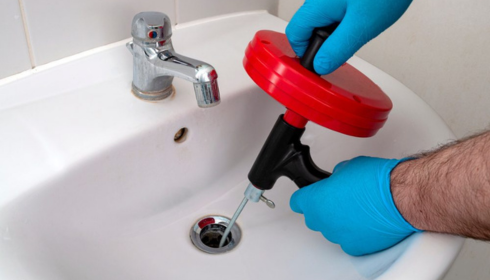
Effective clog removal isn’t just about forcing water through a pipe. It’s about understanding what’s causing the blockage and removing it completely. That might involve tools like drain snakes, hydro jetting, or even specialized cameras to inspect what’s going on inside.
It’s not always glamorous work—but it’s precise.
And there’s something satisfying about seeing water flow freely again after a proper cleaning. It’s like restoring a small piece of order in your home.
Prevention: The Often Overlooked Habit
If there’s one thing that can save you from most drain issues, it’s simple prevention.
Being mindful of what goes down the drain makes a huge difference. Avoid pouring grease into the sink. Use drain covers to catch hair. Run hot water occasionally to help clear minor buildup.
These small habits don’t take much effort, but they go a long way in keeping your plumbing system healthy.
It’s not about being perfect—it’s about being a little more aware.
The Role of Professional Help
There’s a point where it makes sense to call in someone who knows what they’re doing. Not because you can’t handle things yourself, but because some problems require a deeper level of expertise.
Professionals don’t just fix the visible issue—they look for underlying causes. They have tools and techniques that go beyond what’s available at home. And perhaps most importantly, they bring experience.
That experience can mean the difference between a temporary fix and a lasting solution.
A Different Way to Think About Drains
Maybe it sounds a bit unusual, but drains are like the quiet workhorses of a home. They handle the things we don’t want to think about, day in and day out, without asking for much in return.
Until they do.
And when they do, it’s usually because they’ve been trying to tell us something for a while.
Closing Thoughts: Listening Before It’s Too Late
At the end of the day, plumbing isn’t just about pipes and water—it’s about comfort, convenience, and a sense of normalcy.
A slow drain or a minor clog might not seem like a big deal in the moment. But paying attention to those small signs can save you from bigger problems down the line.
So the next time your sink hesitates or your shower drains a little slower than usual, pause for a second. It might be nothing. Or it might be the start of something worth addressing.
Either way, listening early is always easier than fixing late.
Leave a Reply
You must be logged in to post a comment.